
After a difficult incident, one first responder was required to attend a debriefing, a structured conversation used after especially difficult events. He had already decided he wanted no part of it. His ambulance captain had made him come, and he told the group he didn’t believe in “all this talking it out stuff.” While everyone else settled in, he stayed against the wall, keeping himself apart from the conversation.
Veronica Dickerson was part of the team leading the session. A 911 dispatcher, EMT, Peer Support Team Leader and CISM Team Member in Delaware, she spends much of her work supporting people who are usually the ones responding when everyone else needs help. That day, she had brought Lucy, her tiny Toy Poodle and First Responder Therapy Dog.
As the debriefing continued, Lucy eventually wandered over to him, just as Veronica had seen her do with others before.
Inside a difficult debriefing
Then Lucy walked over
The responder reached down to pet Lucy, then eventually picked her up and held her. For a while, that was all that happened. But as the debriefing continued, he moved away from the wall, sat with the group and slowly began to participate. By the end, he was visibly emotional, and instead of leaving when the session ended, he stayed behind to speak with Veronica privately.
Later, he joked that Veronica couldn’t bring Lucy around the firehouse anymore because the little dog had made him open up. For Veronica, the moment showed how Lucy’s presence could create an opening for someone who had arrived unwilling to participate.
“Lucy never asked him to talk. She simply gave him a reason to feel comfortable enough to stay.”
— Veronica Dickerson
Behind the emergency
Supporting the People Behind the Calls
Veronica’s interest in first-responder support began long before Lucy entered the picture. She saw the need while working as an EMT, at the firehouse after intense calls and, especially, inside the 911 environment. Again and again, she saw people move through difficult situations as part of the job without necessarily feeling comfortable asking for help or talking about what they had experienced afterward.
That experience helped lead her toward peer support and Critical Incident Stress Management. Therapy dogs eventually became another part of that work — not a replacement for debriefings, trained peers or mental-health professionals, but another way of being present with someone who might not yet be ready to talk.
Lucy seemed naturally suited to it. Veronica describes her as exceptionally calm and affectionate, a dog who is comfortable being held and petted for long stretches of time. Her small size has turned out to matter, too, particularly inside a 911 center. A dispatcher cannot always step away from a console after a difficult call, but Lucy can settle into a lap while the work continues.
That makes her presence easy to accept without turning it into an event. Someone does not have to announce that they are struggling before interacting with Lucy. They can keep working, reach down to pet her or let her curl up beside them, and the moment can remain exactly that for as long as they need it to.
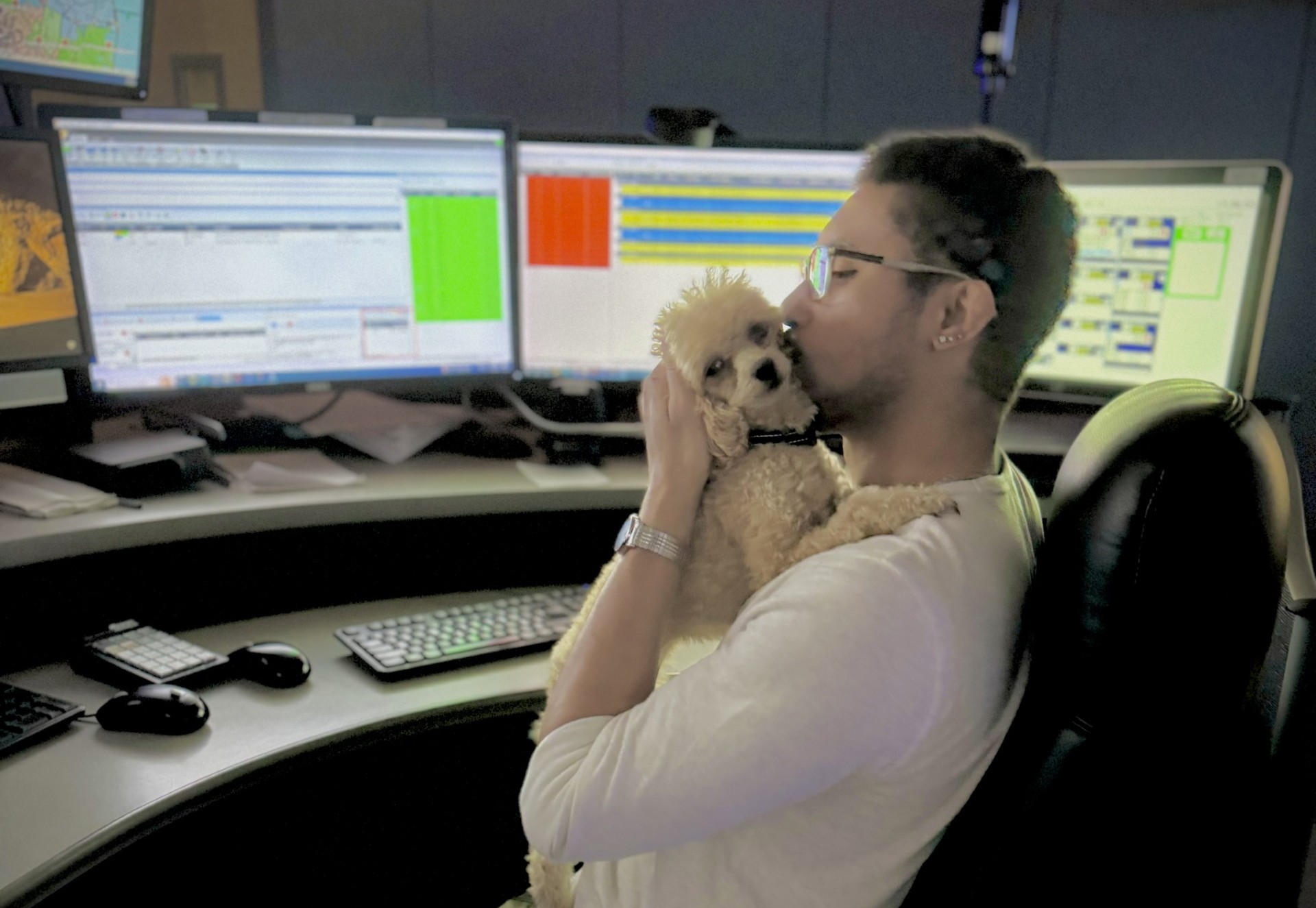
Lucy with a 911 dispatcher during a visit. Photo courtesy of Veronica Dickerson.
Sometimes Lucy chooses the person
After years of working with Lucy, Veronica has also noticed something she still cannot fully explain. There are times when Lucy will leave whatever she is doing and walk toward someone who appears particularly stressed, then settle against them or climb into their lap to be cuddled.
Veronica doesn’t claim to know what Lucy is detecting, or to have some scientific explanation for those choices. She simply knows she has seen the pattern often enough to pay attention when it happens.
“I cannot explain exactly how she knows,” Veronica told The Fetch, “but I have seen her do it enough times that I have learned to trust her instincts.”
The important part may be less about proving what Lucy notices and more about what happens once she gets there. A dog does not need someone to find the right words, make eye contact or explain why a day has been difficult. Lucy can simply lean against them, sit in their lap or stay close while they decide what they want from the moment.
Beyond one room
A small dog making a bigger difference
Lucy’s work extends well beyond that debriefing room. Alongside Veronica, she visits dispatch centers and public safety agencies across Delaware, offering a comforting presence to the people who spend their days responding to emergencies.
And Lucy has done this more times than her tiny size might suggest. She has earned the AKC Therapy Dog Supreme title, the highest level in the American Kennel Club’s therapy-dog recognition program, after completing at least 600 documented visits. That's a remarkable amount of time spent showing up for others.
Veronica has also shared her experience nationally, including at an APCO wellness summit, where she spoke about bringing therapy dogs into 911 centers and peer-support programs. The goal isn't to replace professional support, but to give first responders another way to feel supported when they need it.
Lucy Is Up for a National Award
Lucy is now competing for the 2026 First Responder Paws Therapy Dog Award, putting a national spotlight on work that usually happens far from public view — inside dispatch centers, firehouses and the rooms people enter after calls they may carry with them long after a shift has ended.
But the story Veronica tells about the reluctant responder says more about Lucy’s role than any title or nomination can. What stayed with her was not simply that he eventually spoke, but how little Lucy required from him before he did. She didn’t pull him into the group or try to change his mind; she simply gave him company while he decided for himself what to do next.
First responders spend their working lives answering other people’s calls for help. Lucy asks nothing of them in return: no explanation, no decision, no right words. She simply stays close. And sometimes, as Veronica has seen, that is enough for someone else to stay too.
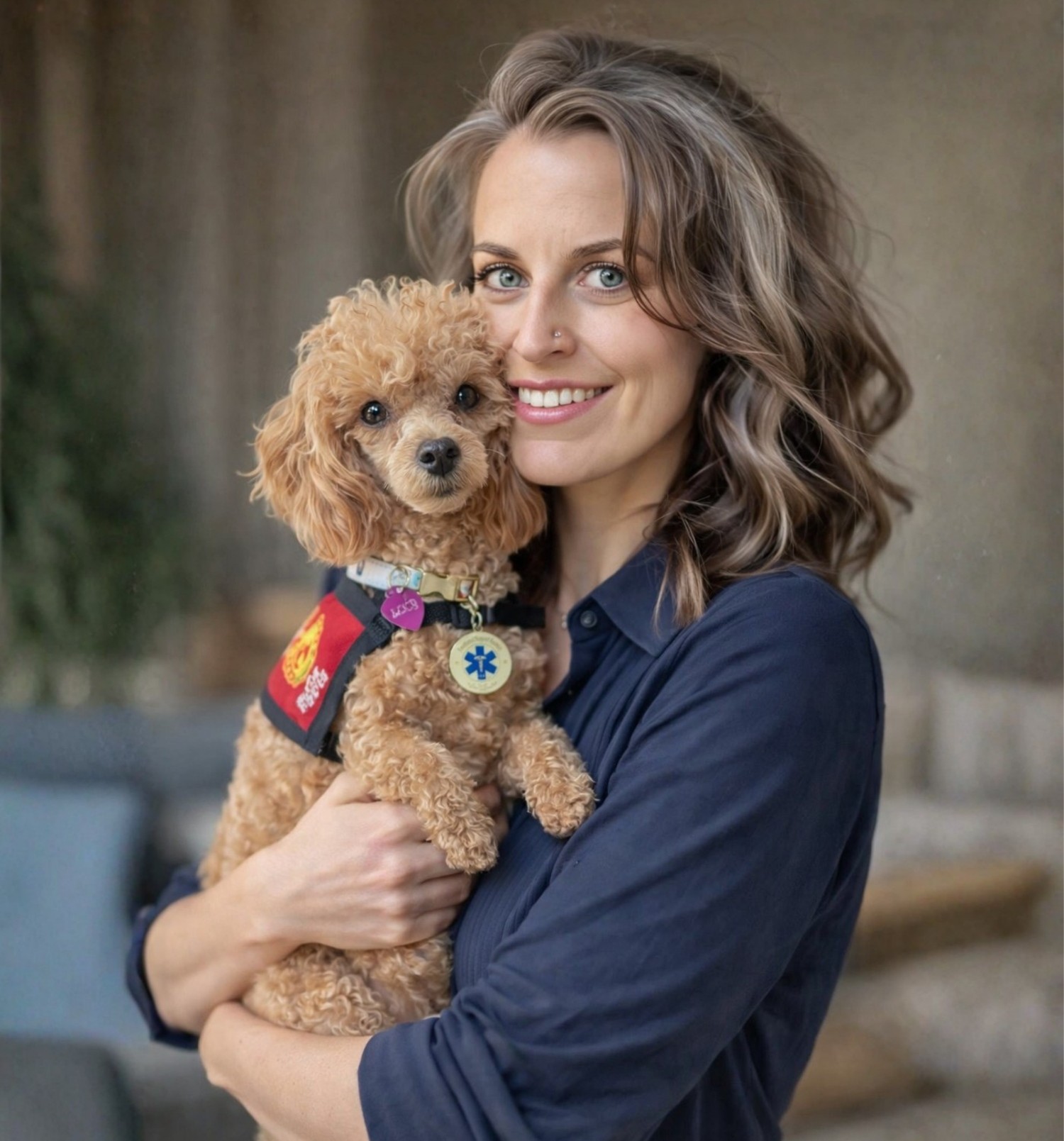
Veronica Dickerson and Lucy.
2026 First Responder Paws Therapy Dog Award
Want to support Lucy?
Public voting is open through October 19, and each person can cast one vote.
Vote for Lucy →Sources: First Responder Therapy Dogs , American Kennel Club , APCO International and First Responder Paws Therapy Dog Award .


