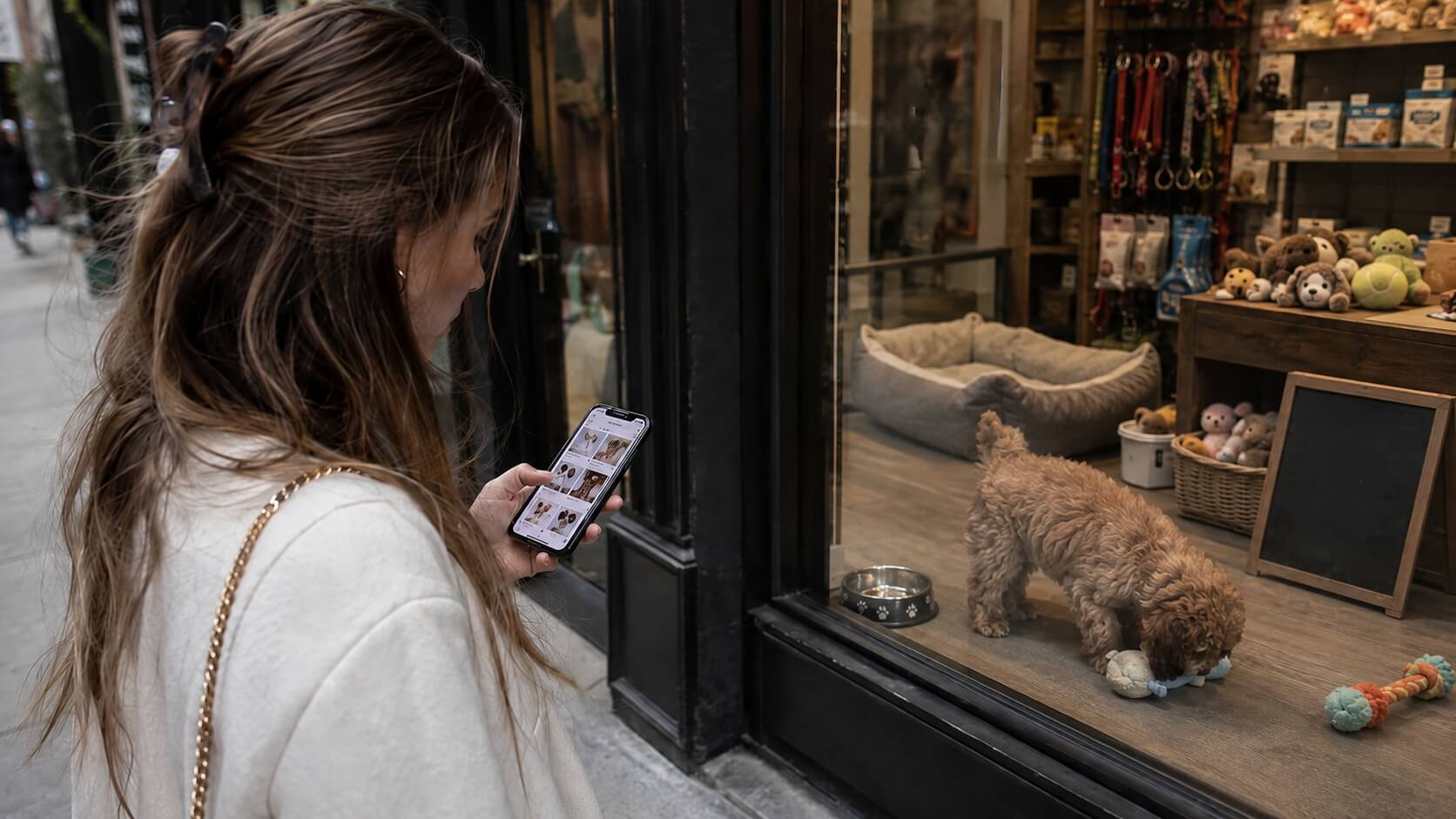
Puppy photos have a way of making people move fast. One minute you are scrolling, the next you are picturing a tiny dog in your kitchen, choosing a name, and wondering whether you should “just go meet them.”
That is exactly why this lawsuit is worth slowing down for.
On July 1, New York Attorney General Letitia James announced a lawsuit against Quality Canines Inc., a Brooklyn pet store that operates as Puppy Boutique. The state alleges the store kept advertising and selling puppies after New York banned retail pet stores in the state from selling dogs, cats, and rabbits.
Quick legal note before we go further: this is an active case. The state’s claims are allegations, not proven facts.
The quick version
New York’s Puppy Mill Pipeline Act took effect in December 2024. The law says retail pet stores in New York can no longer sell dogs, cats, or rabbits. Stores can still work with certain shelters or rescues to show adoptable animals, but they cannot keep selling puppies themselves under a softer label.
In plain English: New York tried to cut off the retail pet-store route that animal-welfare advocates say can connect buyers to high-volume commercial breeding operations.
According to the attorney general’s office, the store continued advertising puppies on Instagram, TikTok, and several websites after the law took effect. The office also says the business had already received warnings from state and city agencies before the lawsuit was filed.
The part dog lovers should watch
One of the biggest pieces of the case is the language around “adoption.”
The state says the store claimed it was working with a newly formed nonprofit group to place dogs for adoption. But according to the attorney general’s office, those nonprofits were not registered with New York’s agriculture department as shelter rescue organizations.
That matters because “adoption” is a powerful word. It sounds safe. It sounds kind. It sounds like rescue. And for a person who wants to do the right thing, it can make a puppy listing feel more trustworthy than a straight-up sale.
But if puppies are being advertised online, money is changing hands, and the origin of the dog is hard to verify, that is the moment to slow way down.
The number that stands out
Payment records from a Square account allegedly connected to the business suggest at least 373 dogs were sold between December 14, 2025 and February 12, 2026. Some puppy transactions averaged about $1,000, according to the petition.
Again, those are allegations from the state’s filing. But they explain why this case is getting attention. The attorney general is not describing one confused buyer or one social post. The state is describing an alleged sales pipeline.
Why dog lovers should care
Most buyers are not trying to support the kind of breeding pipeline these laws are meant to stop. They are trying to bring home a dog, and that is exactly why the source matters.
A sweet photo, a friendly seller, and adoption-style language can make a puppy listing feel trustworthy. But before saying yes, ask the basic questions: Is this a sale or an adoption? Who legally owns the puppy? Which rescue, shelter, or breeder is involved? Can you verify them yourself? Are there vet records? What happens if the puppy gets sick after coming home?
New York’s attorney general says the retail pet sale ban is meant to protect consumers from unknowingly buying sick pets and to help curb abuse tied to puppy mills. So the takeaway is not to panic or assume the worst. It is to slow down.
If a seller is clear, responsible, and legitimate, they should be able to explain where the puppy came from. If the answers feel blurry, or if there is pressure to decide today, pause.
A puppy can still be adorable tomorrow.
The Fetch Takeaway
This case is less about one Brooklyn storefront than what happens after a state says pet stores can no longer sell puppies. The law may be clear, but enforcement is where the real test begins. New York alleges the store kept puppy sales moving with adoption-style language, and the court will decide those claims. For dog lovers, the smart move is simple: love the photo, then check the source.
Sources: New York Attorney General announcement , published July 1, 2026; verified petition in People of the State of New York v. Quality Canines Inc. et al. , filed June 15, 2026; and New York Attorney General guidance on the Puppy Mill Pipeline Act , dated November 15, 2024.


