
For a lot of dog lovers, fostering sounds wonderful right up until the practical questions start. How long would the dog stay? What if you travel often? What if work gets busy? What if “just for a little while” turns into several weeks?
That uncertainty is enough to make plenty of people decide fostering simply does not fit their life. But bringing a shelter dog home until adoption is not the only version of fostering that exists.
Some shelters and rescues offer short-term foster opportunities with a clear beginning and end. Depending on the organization, that might mean taking a dog out for the afternoon, hosting them overnight or giving them a quieter place to spend a weekend before they return to the shelter.
Fostering does not always mean “until they’re adopted.” Sometimes it really does mean Friday to Monday.
One real-life example
So, What Is a Slumber Party Weekend?
At the Humane Society of Utah , certain dogs who are medically and behaviorally cleared but temporarily waiting for a spot on the shelter’s spay or neuter schedule can leave the kennel for the weekend. They go home with an approved foster on Friday and return after the weekend for their scheduled care.
The setup is deliberately straightforward. The shelter provides food and feeding instructions, a leash and harness, identification, and any medications or special care notes the dog may need. The foster provides the quieter part: a safe home, some attention and a comfortable place to spend a few days.
In Utah, the weekend looks like this
Friday: An eligible dog leaves the shelter with an approved foster and the supplies they need.
Weekend: The dog gets a quieter place to rest, play and spend time with people outside the kennel.
After the weekend: The dog returns as planned for their scheduled care and continues toward adoption.

Weekend guest: Trombone
Trombone Knew Exactly What to Do
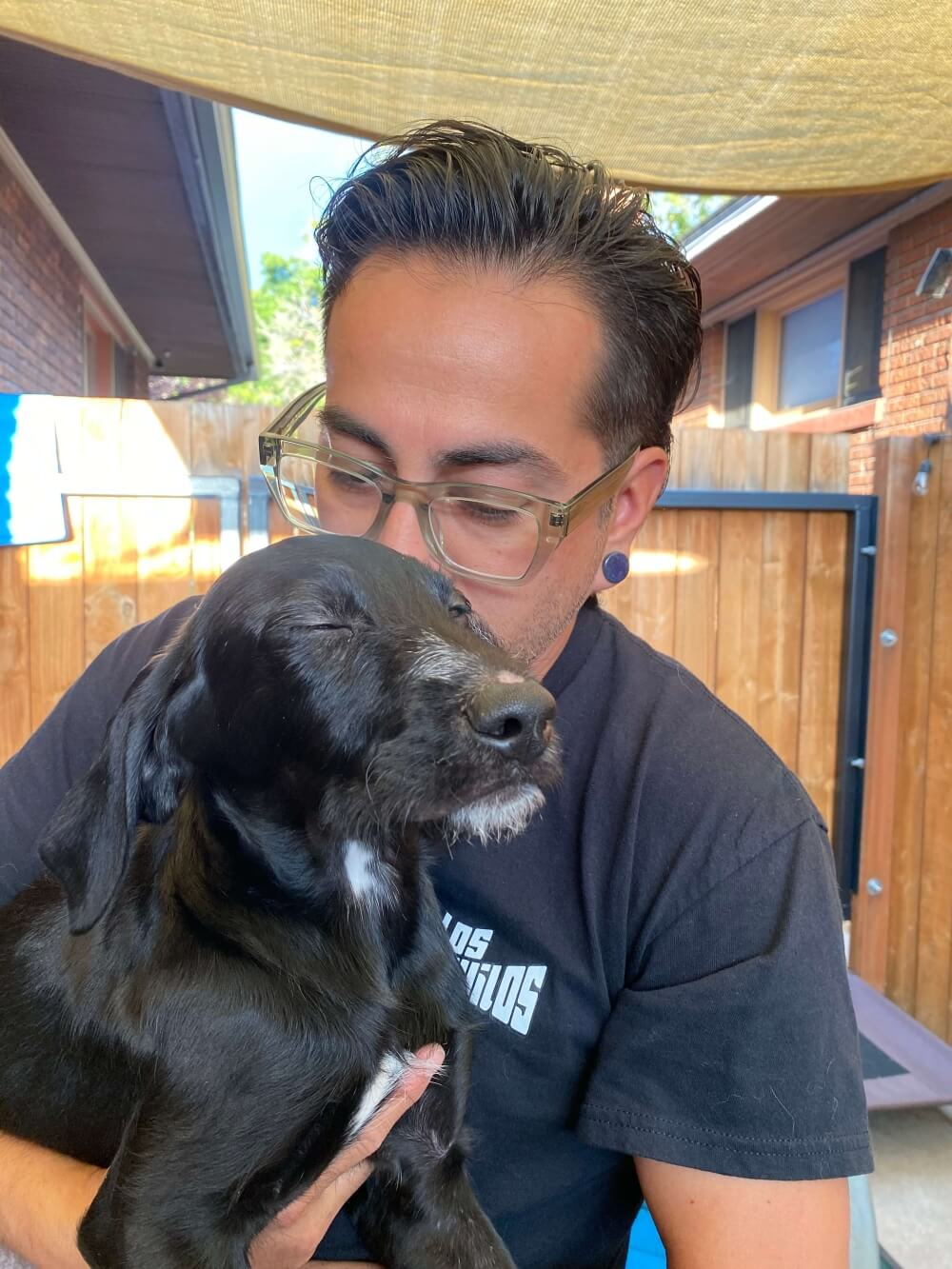
One recent Slumber Party guest, Trombone, wasted very little time making herself at home. Her foster family remembers a playful, affectionate puppy who was perfectly happy climbing onto people and falling asleep there.
“Trombone was such a fun guest. She loved to fall asleep on us, and it was so sweet to be included in her puppy pile!”
Trombone’s foster family
Over the weekend, they played with her, cuddled and began working on a few basic skills. They also discovered one particularly memorable Trombone trait: her little beard was apparently very good at tickling anyone who got close enough. Her foster described watching her relax, cuddle and simply act like a happy puppy as “therapeutic.”

More than a sleepover
A Home Can Reveal Things a Kennel Cannot
A shelter can tell you a great deal about a dog, but it cannot completely recreate ordinary life in a home. There are unfamiliar sounds, smells, people and other animals, and dogs respond to that environment in different ways.
“A shelter can be a stressful environment, so dogs don’t always show us who they are right away,” Guinnevere Shuster of the Humane Society of Utah told The Fetch. During a quieter weekend, staff may get a better idea of how a dog settles, relaxes and connects with people away from the kennel.
That might mean discovering that the dog who seems constantly energetic at the shelter is actually an enthusiastic afternoon napper. A quieter dog might start following someone from room to room. Another might reveal a love of toys, basic training or squeezing as much of their body as possible onto one human lap.
What a weekend foster can learn
How the dog settles in a home, whether they enjoy toys or training, how affectionate they are, what helps them relax and all the little everyday behaviors that can be difficult to see in a shelter setting.
Your Camera Roll Can Help Too
If your phone ends up full of pictures of the foster dog sleeping on your sofa, carrying a toy around the house or staring hopefully at whatever you are eating, those photos can have a purpose beyond making your friends jealous of your weekend guest.
The Humane Society of Utah encourages fosters to send back photos and videos, which may be added to the dog’s adoption profile or shared on social media. A shelter portrait shows someone what a dog looks like; a photo of that same dog relaxed beside a person can help a potential adopter imagine what actually living with them might feel like.
You Don’t Have to Start With a Month
For someone who has always thought, I would love to foster, but I can’t commit to weeks or months, short-term programs change the question. Instead of asking whether you can reorganize your life indefinitely, you are asking whether you can help for a clearly defined period.
That can make fostering much more approachable for people who travel, have changing work schedules or simply want to try it before considering anything longer. And when the agreed foster period ends, returning the dog is not a failure. It was the plan from the beginning.
Check near you
Your local shelter may offer something similar under a completely different name.
Look for terms like short-term foster, weekend foster, overnight foster, sleepover, doggy day out, foster field trip or day foster.
If nothing obvious appears online, contact the shelter or rescue directly and ask whether they offer any way to foster a dog for a short, defined period.
Before you bring someone home
A Few Things to Confirm
Every organization runs its foster programs a little differently, so make sure you understand the basics before saying yes: how long the stay lasts, what supplies are provided, whether there are medical or behavioral instructions, and how the dog should interact with resident pets or children. You should also know exactly who to contact if a question comes up during the stay.
Ask the shelter
How long is the foster stay?
What supplies are provided?
Are there resident-pet or child restrictions?
Is there anything medical or behavioral I should know?
Who do I contact if I need help?
Maybe you can foster after all
Start Smaller
Trombone’s foster family did not need to clear the next two months of their calendar. They gave her a few days outside the shelter, some individual attention, and then she went back for the next part of her journey, exactly as planned. Short-term fostering gives people another way to help when a traditional foster commitment simply does not fit their life.
The Fetch takeaway
Before ruling yourself out of fostering, find out what “foster” actually means at the shelters and rescues near you.
You might not need a free month. You might just need a free weekend.
About the program featured
Reporting and program information provided by the Humane Society of Utah, including comments from Guinnevere Shuster and Trombone’s foster family.
Learn more about Humane Society of Utah’s Slumber Party Weekend
Short-term foster programs vary by shelter, so check directly with organizations near you for current opportunities and requirements.


